If you’ve ever stood in a bedding aisle unsure whether you need a duvet, a duvet cover, a comforter, or all three, you’re in good company. The words get used loosely and often interchangeably, which is exactly why people end up with the wrong thing. Here’s a clear, practical breakdown so you can buy once and set up your bed the way that actually suits you.
Quick definitions: insert, cover, comforter
Three terms, three distinct things:
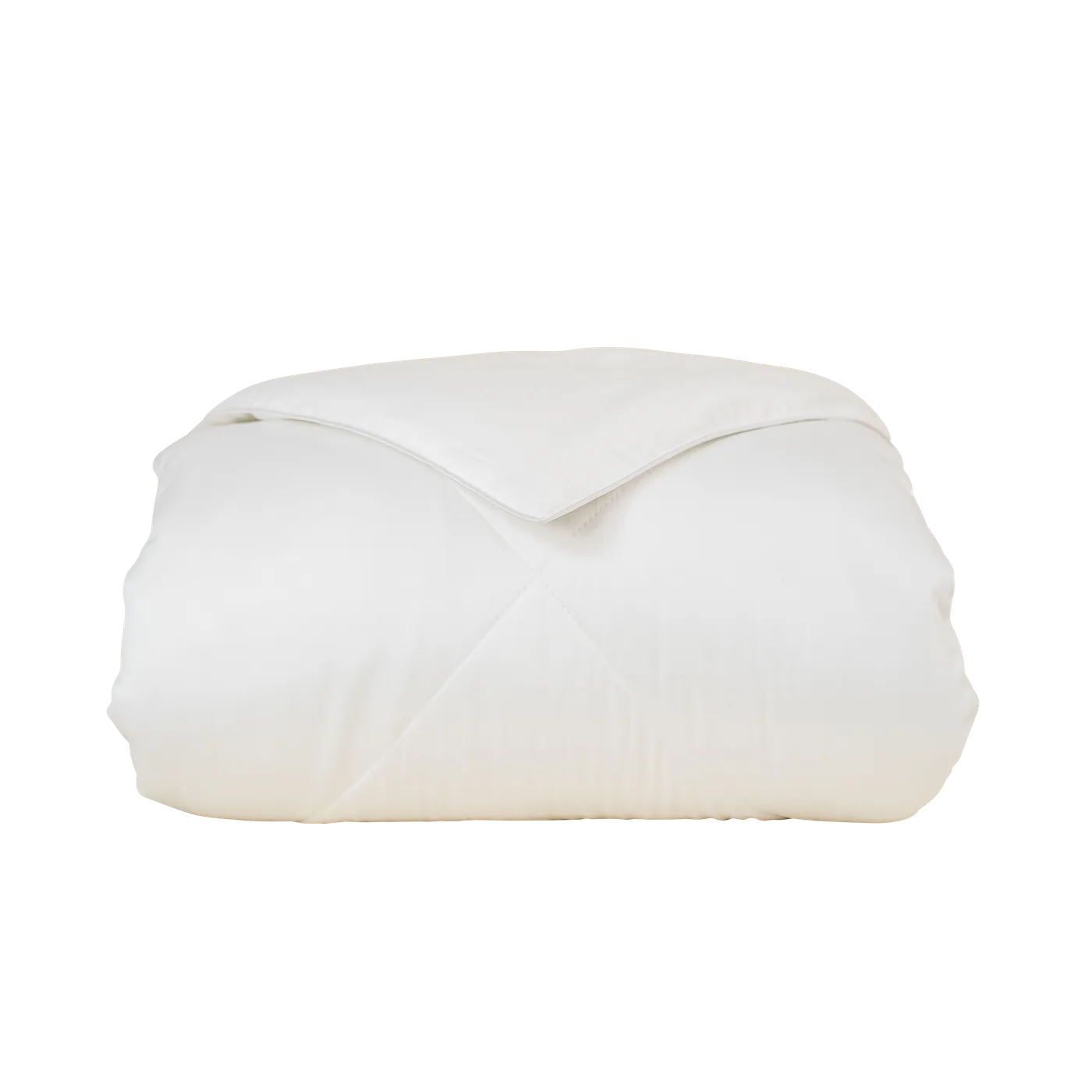
- Duvet insert (sometimes just called a “duvet”): the fluffy, quilted, usually-white warmth layer. It’s filled with down, down-alternative, or similar, and it provides all the insulation. On its own it’s plain and unfinished, meant to live inside something.
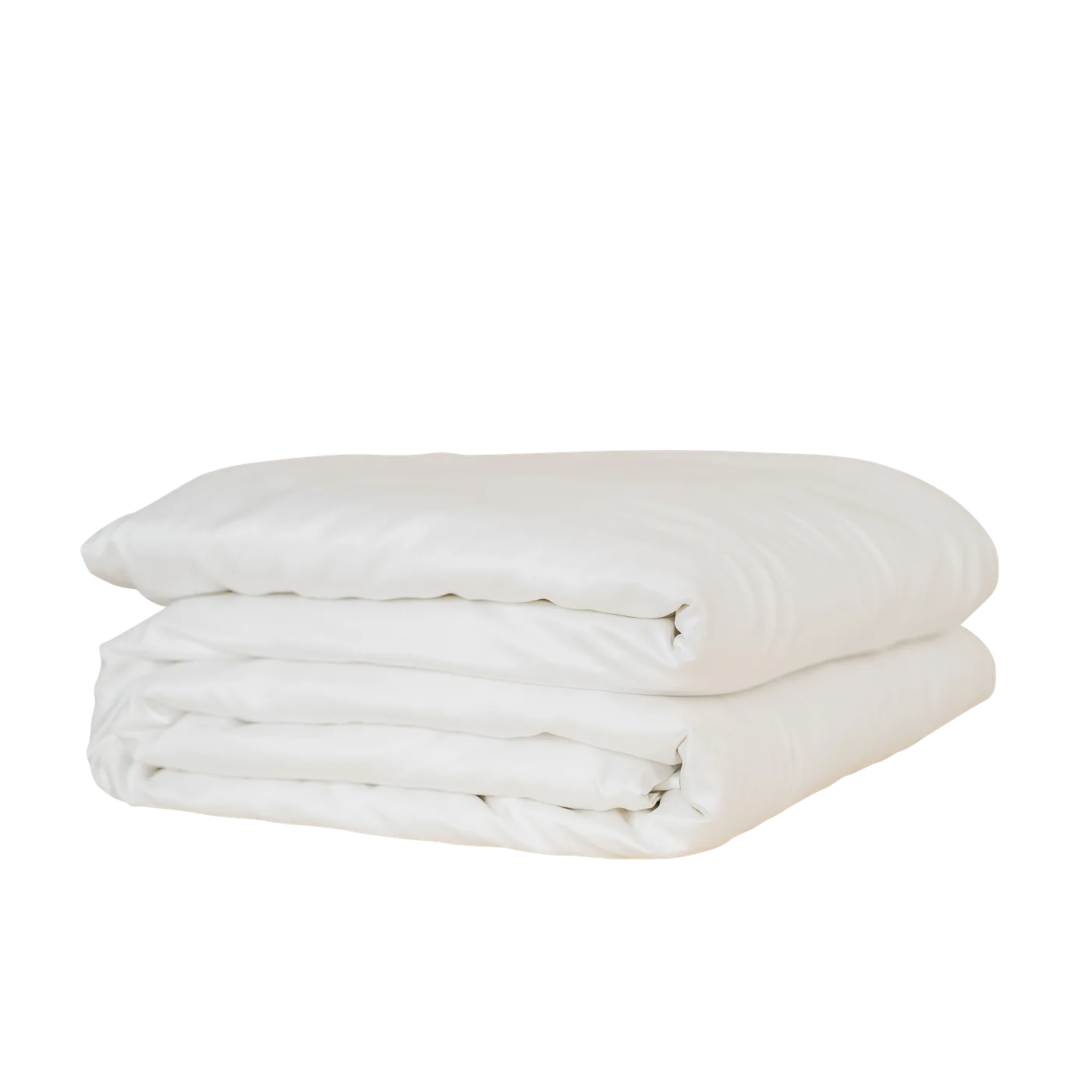
- Duvet cover: a fabric shell, essentially a giant pillowcase for the insert, that closes with buttons or a zipper. It’s the part you see, the part that feels against your skin, and crucially the part you take off and wash.
- Comforter: a single, self-contained quilted blanket. The decorative outer fabric and the fill are sewn together as one finished piece. It’s ready to use straight out of the package, no cover required.
The cleanest way to remember it: a duvet is a two-piece system (insert + cover), while a comforter is a one-piece item. That distinction drives almost every practical difference that follows.
How the duvet two-piece system works
A duvet works like a pillow and pillowcase. The insert is the pillow, the warm part, and the cover is the pillowcase, the washable, decorative shell.
To assemble it:
- Lay the empty duvet cover flat on the bed, opening at the foot.
- Tie the insert’s corner loops to the cover’s inside corner ties so it can’t shift.
- Slide or roll the insert all the way in, working the corners into the cover’s corners.
- Close the cover’s buttons or zipper at the opening.
- Shake the whole thing out so the fill settles evenly.
Once it’s together, it looks and behaves like a single fluffy blanket. The magic is that when it’s time to clean it, you simply unzip the cover, pull out the insert, and wash just the cover, the same way you’d wash a pillowcase but not the pillow itself.
Pros and cons of each setup
Neither approach is universally better; they suit different priorities. Here’s the honest comparison.
| Duvet system (insert + cover) | Comforter | |
|---|---|---|
| Pieces | Two (insert + cover) | One |
| Laundry | Wash just the cover, fits a home machine | Wash the whole bulky piece, often needs a laundromat |
| Change the look | Swap covers anytime | Buy a whole new comforter |
| Seasonal warmth | Swap inserts, keep the cover | Stuck with one warmth level |
| Upfront cost | Buy two pieces | Buy one piece |
| Setup effort | Stuff and tie the insert | None, ready to use |
| Best for | Easy laundry, flexibility, frequent refreshes | Simplicity, minimal fuss |
Duvet pros: dramatically easier laundry, the freedom to change colors and seasons without replacing the warmth, and a longer-lasting insert because the cover takes all the wear. Duvet cons: two purchases, and the small chore of stuffing the cover.
Comforter pros: zero assembly and one purchase. Comforter cons: washing a king comforter at home is genuinely hard, and if you want a new look or different warmth, you replace the whole thing.
Why a duvet cover makes laundry easier
This is the single best argument for the duvet system, and it’s worth dwelling on. Bedding needs regular washing, the layer against you collects sweat, oils, and skin cells whether you notice or not. The problem is that a full comforter, especially in queen or king, is bulky, heavy when wet, and often too big for a standard home washer and dryer. So it gets washed far less often than it should.
A duvet cover solves this. It’s just fabric, so it washes and dries as easily as a sheet. You can launder it weekly without a second thought, keeping the bed genuinely clean, while the insert inside stays protected and rarely needs washing at all. Our bamboo duvet cover is made for exactly this rhythm: machine washable, breathable, and soft enough to sleep directly against, so many people skip the top sheet entirely and let the cover be the washable layer.
Bamboo vs silk duvet covers
Once you’ve committed to the duvet system, the cover is where you choose your feel. Two of the loveliest options are bamboo lyocell and mulberry silk, and they suit different sleepers.
| Bamboo lyocell cover | Silk cover | |
|---|---|---|
| Feel | Cool, smooth, lightweight | Smooth, luxurious, temperature-regulating |
| Breathability | Excellent, great for warm sleepers | Very good, naturally regulating |
| Best for | Hot sleepers, year-round use, easy care | A premium, indulgent finish |
| Care | Machine washable, low fuss | Gentle wash, more delicate |
| Certification | OEKO-TEX Standard 100 | OEKO-TEX Standard 100, 22-momme Grade 6A |
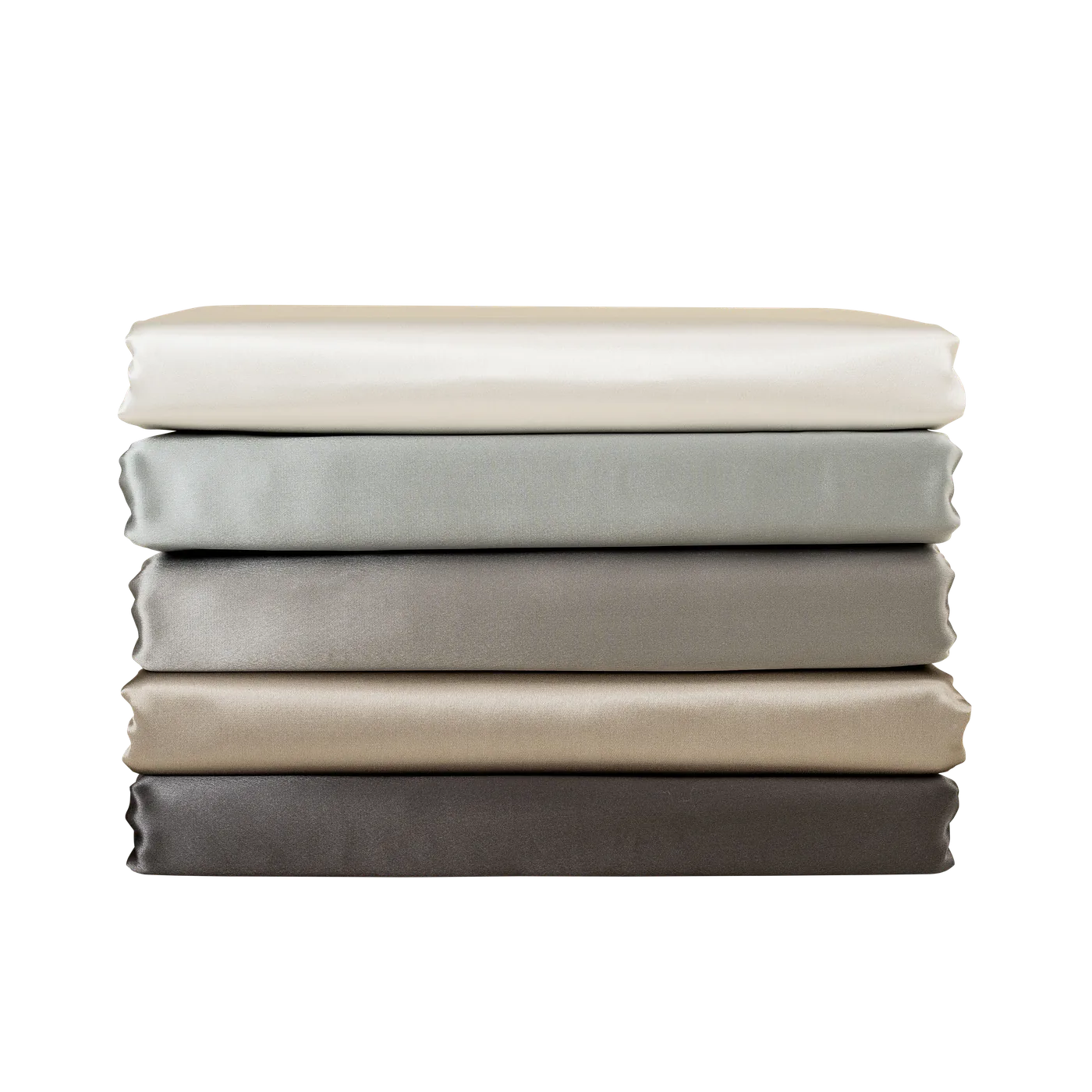
Our bamboo duvet cover is the practical everyday hero: cool, breathable, and easy to launder, ideal if you run warm or want low-maintenance luxury. Our silk duvet cover, woven from 22-momme Grade 6A mulberry silk, is the indulgent choice, smooth and temperature-regulating with a finish that feels like a treat. Both are OEKO-TEX Standard 100 certified. Whichever you choose, pair it with a quality duvet insert for the warmth.
Sizing and layering basics
A few practical notes that prevent the most common mistakes:
- Match insert and cover sizes. A queen insert wants a queen cover. An oversized cover lets the insert slide; an undersized one looks lumpy. Many people do intentionally size up the whole duvet (using a king on a queen bed) for a fuller, more draped look, just keep insert and cover the same size as each other.
- Layer from the bottom up: fitted sheet, then optionally a top sheet, then the duvet (or comforter), then any decorative shams or throws.
- Decide on a top sheet. With a washable duvet cover you can skip it; with a bare comforter you’ll want one as the washable layer. More on that in the FAQs below.
Which setup is right for you
Let it come down to how you live, not what the catalog photo looks like.
- Choose a duvet system if you want easy at-home laundry, the flexibility to change colors or swap warmth by season, and a setup that lasts. This is most people’s best long-term choice.
- Choose a comforter if you genuinely value zero assembly and one simple purchase, and you’re fine washing it less often or hauling it to a larger machine.
- Do both if you already own a comforter you like, slip a duvet cover over it to protect it and make laundry easier.
If you’re starting from scratch, the simplest path is a complete duvet setup: a cover, an insert, and matching sheets in one go. Our complete-bed bundles package those together around the easy-laundry, no-top-sheet duvet approach, and you can always browse everything on the products page to mix your own.
Key takeaways
- A comforter is one finished piece; a duvet is two, an insert (the warmth) inside a cover (the washable shell).
- Warmth comes from the fill, not the format, so a duvet and comforter can be equally warm; the duvet just lets you swap warmth by season.
- The duvet system’s biggest win is laundry: wash just the cover at home instead of wrestling a bulky comforter.
- Match your insert and cover sizes, and use the inside corner ties to keep the insert from shifting.
- A bamboo cover is the cool, easy-care everyday pick; a 22-momme silk cover is the indulgent finish, both OEKO-TEX certified.
- You can skip the top sheet with a washable duvet cover; with a bare comforter, keep one as the washable layer.