Bamboo lyocell is one of the most forgiving fabrics to live with and one of the easiest to ruin in the laundry. Treat it gently and it stays silky and cool for years. Hit it with bleach, softener, or high heat and it goes stiff, dull, and weak fast. Here’s the routine that keeps it at its best.
Why proper care matters for bamboo lyocell
Bamboo lyocell is a regenerated cellulose fiber prized for its smooth surface and high moisture-wicking — roughly 12–13% moisture regain, well above cotton’s 6–9%. That same smooth structure is what makes it sensitive to harsh chemicals and heat. Aggressive washing roughens the fiber, dulls the cool hand, and shortens the sheet’s life.
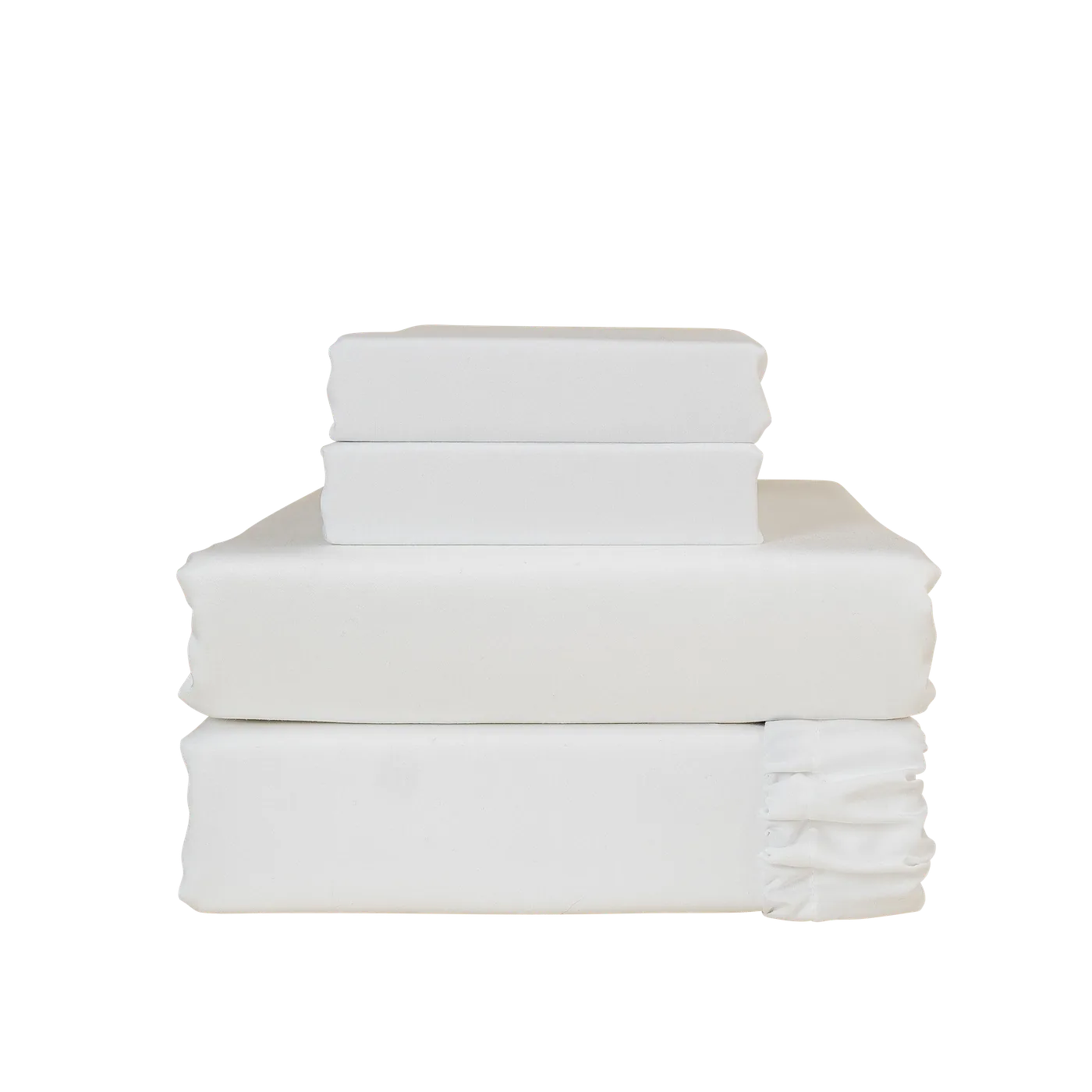
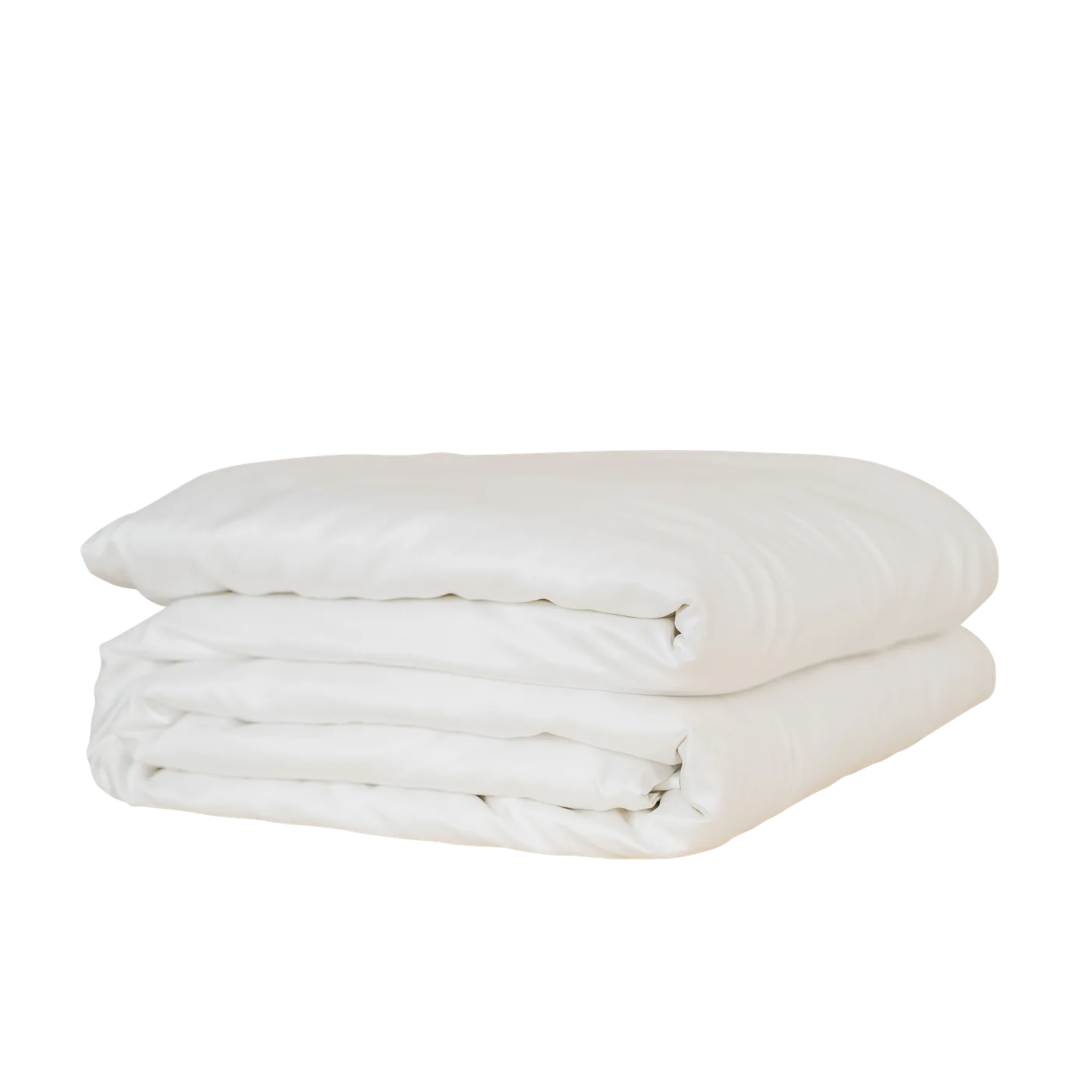
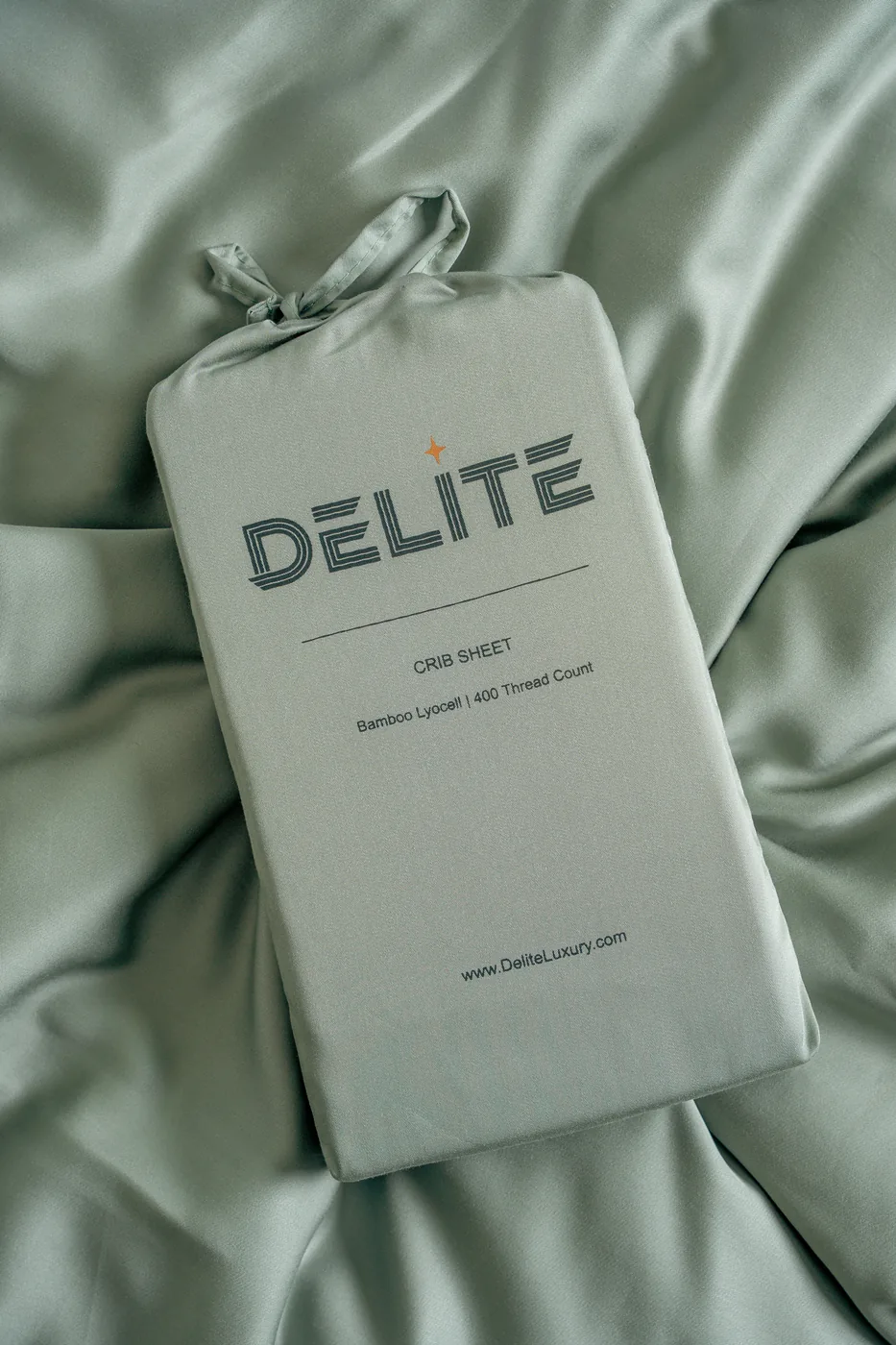
The good news: the care routine is simple and cheap. It’s mostly about what you don’t do. Everything below applies equally to your bamboo sheet set, bamboo duvet cover, and even the bamboo crib sheet.
Step-by-step: how to wash bamboo sheets
Follow these steps every time:
- Shake out and pre-treat. Give the sheets a shake to loosen debris. Spot-treat any stains with a dab of mild detergent rubbed in gently — never with bleach.
- Wash separately. Launder bamboo on its own or with similar soft fabrics. Avoid washing with towels, zippers, or anything rough that can abrade and pill the fiber.
- Use cold water. Set the machine to cold, ideally under 86°F (30°C). Cold protects the fiber and prevents shrinkage.
- Choose the gentle cycle. A delicate or gentle cycle reduces mechanical stress and pilling.
- Use a small amount of mild detergent. Less is more — excess detergent leaves residue that stiffens the fabric.
- Skip the extras. No bleach, no fabric softener, no dryer sheets (more on why below).
- Wash promptly, dry promptly. Don’t leave damp sheets sitting in the machine, which invites mildew and odor.
Detergents to use and avoid
Detergent choice quietly makes or breaks bamboo’s feel over time.
| Use | Avoid |
|---|---|
| Mild, liquid, pH-neutral detergent | Chlorine bleach (degrades the fiber) |
| Free-and-clear / additive-free formulas | Fabric softener (coats and dulls) |
| A small dose (about half the usual) | Optical brighteners and harsh enzymes |
| White vinegar in the rinse (occasional) | Heavy detergent overdosing |
A liquid detergent dissolves more completely than powder, leaving less residue. For an occasional refresh, half a cup of white vinegar in the rinse cycle strips mineral and detergent buildup without harming the fiber.
Why you should never bleach or use fabric softener
These two are the most common — and most damaging — mistakes:
- Bleach chemically attacks cellulose fibers, weakening the fabric and creating weak spots that tear. It also yellows whites over time rather than brightening them. For stains, use a small amount of mild detergent and cold water, or an oxygen-based brightener if absolutely necessary — never chlorine bleach.
- Fabric softener coats bamboo in a waxy film that blocks its natural moisture-wicking, kills the cool-to-the-touch feel, and builds up into stiffness. Bamboo is inherently soft, so softener does nothing helpful and plenty harmful.
If you remember only one rule, make it this one: no bleach, no softener, ever.
Drying: line-dry vs low-heat tumble
How you dry matters as much as how you wash. High heat is the number-one cause of shrinkage and fiber damage.
- Line-drying is gentlest. Hang or lay flat away from direct, prolonged sun (strong UV can fade color over time).
- Tumble-drying is fine on low heat only. Pull the sheets out while still slightly damp and let them finish on a rack or line — this prevents over-drying and keeps them smooth.
- Never use high heat or leave bamboo in a hot dryer cycle until bone-dry.
A handful of wool dryer balls can shorten low-heat drying time and reduce wrinkles — a safe alternative to dryer sheets.
Fixing stiff or pilling sheets
If your sheets already feel stiff or have started to pill, you can usually recover them:
- Strip the residue. Re-wash in cold water with a tiny amount of mild detergent and half a cup of white vinegar in the rinse to dissolve softener or mineral buildup.
- Dry on low and pull early. Finish drying on a rack while slightly damp.
- De-pill carefully. For light pilling, a fabric shaver or a gentle pass with a sweater comb removes pills. Pilling usually comes from washing with rough items, so isolate your bamboo going forward.
Most “ruined” bamboo sheets are simply coated, not damaged — and a residue-stripping wash brings the silk-like feel right back.
Wash-frequency schedule
A simple cadence keeps sheets fresh without over-washing (which itself wears fabric):
| Situation | Wash frequency |
|---|---|
| Typical sleeper | Once a week |
| Hot sleeper / night sweats | Every 4–5 days |
| Shares bed with pets | Every 3–5 days |
| Guest room (unused) | Before use + monthly airing |
Rotating between two sets halves the wear on each and means a clean set is always ready. You can pair coordinating pieces from our products page or grab a coordinated bundle.
Key takeaways
- Wash cold (under 86°F/30°C) on a gentle cycle with a small amount of mild detergent.
- Never use bleach (weakens the fiber) or fabric softener (coats and dulls it).
- Dry on low heat or line-dry; pull sheets out slightly damp to protect the fiber.
- Stiffness is usually residue — strip it with a vinegar rinse and re-dry on low.
- Wash roughly weekly, or every 4–5 days for hot sleepers; rotate two sets to extend life.
- The same gentle routine works for bamboo duvet covers and crib sheets, not just flat sheets.