Silk has a reputation for being high-maintenance, and that reputation scares people off perfectly washable bedding. The truth is gentler than the myth: silk isn’t fragile, it just doesn’t tolerate the hot, harsh laundry routine that cotton shrugs off. Treat it kindly and a good silk sheet set or pillowcase stays soft and lustrous for years. Here’s exactly how.
Why silk needs gentle care
Silk is a natural protein fiber — chemically closer to your own hair than to cotton or polyester. That protein structure is what gives silk its smooth, temperature-regulating, lightweight luxury, but it’s also why silk reacts badly to the things that don’t bother sturdier fabrics:
- Heat breaks down the protein, causing shrinkage, stiffness, and a dull, lifeless finish.
- Bleach and harsh detergents chemically attack the fibers and strip color.
- Aggressive agitation and high-speed spinning stretch, snag, and weaken the weave.
- Direct sunlight fades dyes and can weaken fibers over time.
Once you understand that you’re essentially caring for a delicate protein — not scrubbing a cotton towel — every rule below makes intuitive sense. Cool, mild, and gentle is the entire philosophy.
Hand-washing step-by-step (cold, pH-neutral detergent)
Hand-washing is the gentlest method and the best choice for finer or more delicate silk. It takes about ten minutes.
- Fill a clean basin with cold water — under 30°C (86°F), cool to the touch, never warm or hot.
- Add a small amount of pH-neutral or silk-specific detergent and swish to dissolve. A little goes a long way; too much leaves residue.
- Submerge the silk and gently swirl it through the water for a couple of minutes. Don’t scrub, twist, or wring — just let the detergent do the work.
- Spot-treat gently if there’s a mark, by lightly dabbing (never rubbing) with diluted detergent.
- Drain and rinse in fresh cold water until the water runs clear and no suds remain. Thorough rinsing prevents stiffness and spotting.
- Press out the water by laying the silk flat on a clean towel, rolling the towel up, and pressing. Never wring — wringing distorts the weave and creates permanent creases.
Then move to drying (below). That’s it — no harsh chemicals, no machine, no heat.
Machine-washing safely (mesh bag, delicate, low spin)
For everyday silk bedding, a careful machine wash is perfectly acceptable and far more convenient. The key is to recreate hand-washing conditions as closely as the machine allows.
- Bag it. Place each silk item in a mesh laundry bag to protect it from snagging on the drum, zippers, or other items.
- Wash alone or with like fabrics. Don’t mix silk with towels, denim, or anything with hooks, zips, or Velcro.
- Choose the delicate or hand-wash cycle with cold water.
- Use a small dose of pH-neutral or silk detergent. No bleach, no fabric softener, no optical brighteners.
- Set the lowest spin speed to minimize stress on the fibers — or skip the spin and press the water out in a towel instead.
- Remove promptly when the cycle ends, so the silk doesn’t sit creased and damp in the drum.
Done this way, machine-washing won’t harm quality silk. It’s hot water, harsh detergent, and rough cycles — not the machine itself — that cause damage.
Detergents and products to avoid
The wrong product can undo a perfect wash. Here’s a quick reference:
| Avoid | Why | Use instead |
|---|---|---|
| Bleach (chlorine or oxygen) | Attacks protein fibers, strips color | Nothing — silk doesn’t need it |
| Enzyme/biological detergent | Enzymes digest protein fibers over time | pH-neutral or silk-specific detergent |
| Fabric softener | Coats fibers, dulls natural luster | Skip entirely |
| Optical brighteners | Build up and degrade fabric appearance | Mild, clear detergent |
| Hot water | Shrinks, stiffens, dulls silk | Cold water under 30°C |
| Vinegar in heavy doses | Acidic over-treatment can harm fibers | A clean cold-water rinse |
When in doubt, less is more: a small amount of the mildest detergent you have, in cold water, is all genuine silk asks for.
Drying silk (never tumble, air-dry flat)
Drying is where most silk gets ruined, almost always by heat. The rule is simple and absolute: never put silk in a hot tumble dryer.
After pressing out the water in a towel:
- Air-dry flat or gently hung on a padded or wide hanger, away from direct sunlight and heat sources like radiators.
- Reshape it while damp — smooth the fabric flat with your hands so it dries evenly and creases relax on their own.
- Keep it out of the sun. Direct sunlight fades dyes and weakens fibers; dry indoors or in shade.
- Don’t use clothespins that pinch the fabric, which leave marks. Drape rather than clip where possible.
If your dryer has a true no-heat air-fluff setting, it can help move air, but flat air-drying remains the safest method and produces the smoothest result.
Ironing, storage & wash frequency
Ironing. Most silk doesn’t need it if you smooth and dry it flat. If you do iron, use the lowest or dedicated silk setting, iron on the reverse side while the fabric is still slightly damp, and place a thin pressing cloth between the iron and the silk. Avoid direct steam bursts on dry silk.
Storage. Store silk clean, fully dry, and loosely folded in a cool, dry, dark place. Let it breathe — avoid sealed plastic, which traps moisture and can encourage mildew. A cotton storage bag is ideal. Keep it away from sharp objects and rough surfaces that could snag the weave.
Wash frequency. Treat silk pillowcases like any pillowcase — about once a week, since they touch your face and hair every night. Silk sheets can go roughly every one to two weeks with normal use, more often if you sleep in heavy skincare or hair products. Regular gentle washing keeps silk fresh; it’s harsh washing, not frequent washing, that shortens its life.
Common mistakes that ruin silk
If your silk has gone stiff, dull, spotted, or shrunken, the cause is almost always one of these:
- Hot water or a hot dryer — the number-one killer of silk. Heat shrinks and stiffens the protein fiber permanently.
- Bleach or harsh enzyme detergent — strips color and degrades the fibers.
- Wringing or twisting — distorts the weave and sets permanent creases. Always press in a towel instead.
- Skipping the mesh bag in the machine — invites snags and pulls.
- Drying in direct sunlight — fades color and weakens fibers.
- Fabric softener — coats the fiber and robs silk of its signature luster.
- Letting it sit wet and crumpled — encourages creasing and, over time, odor or mildew.
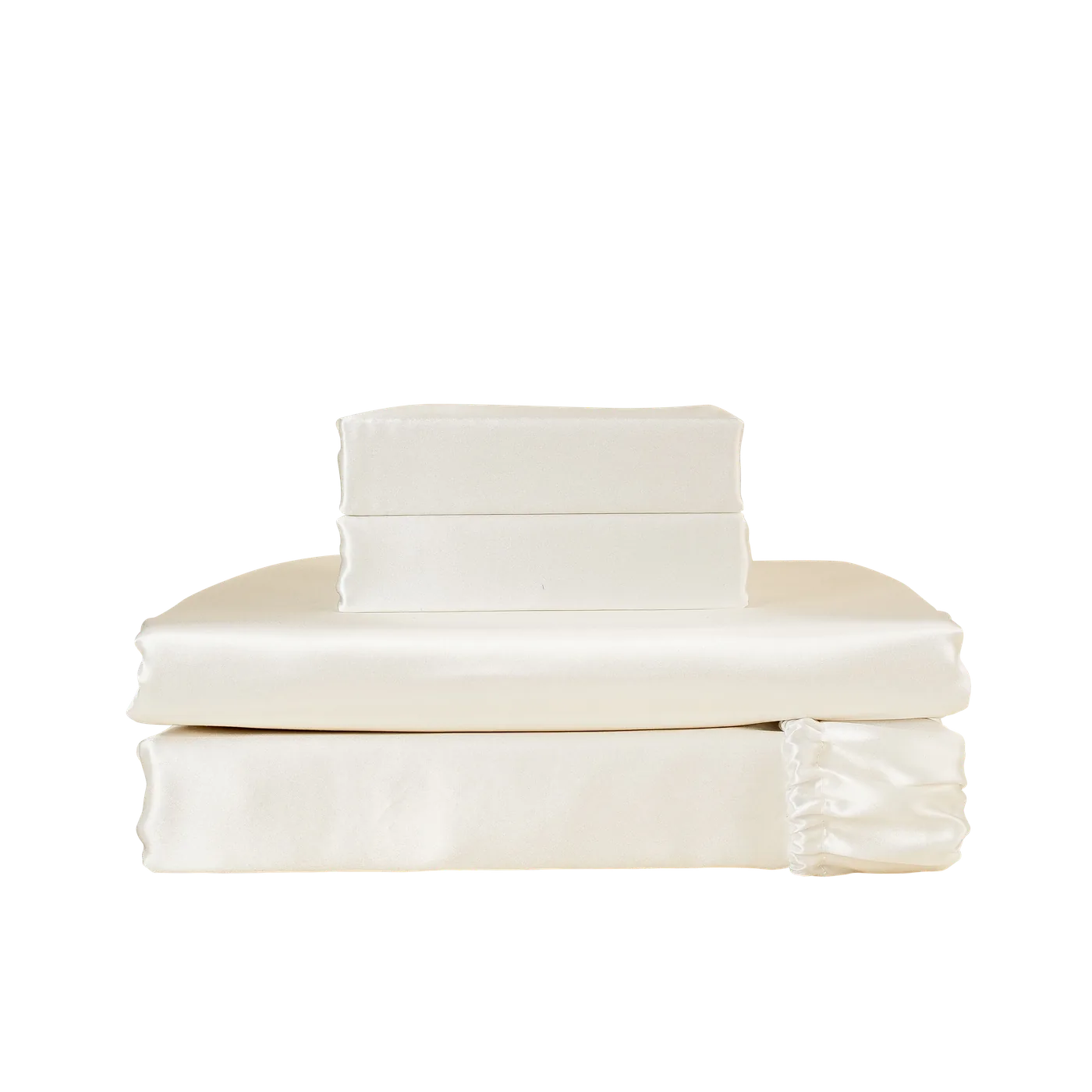
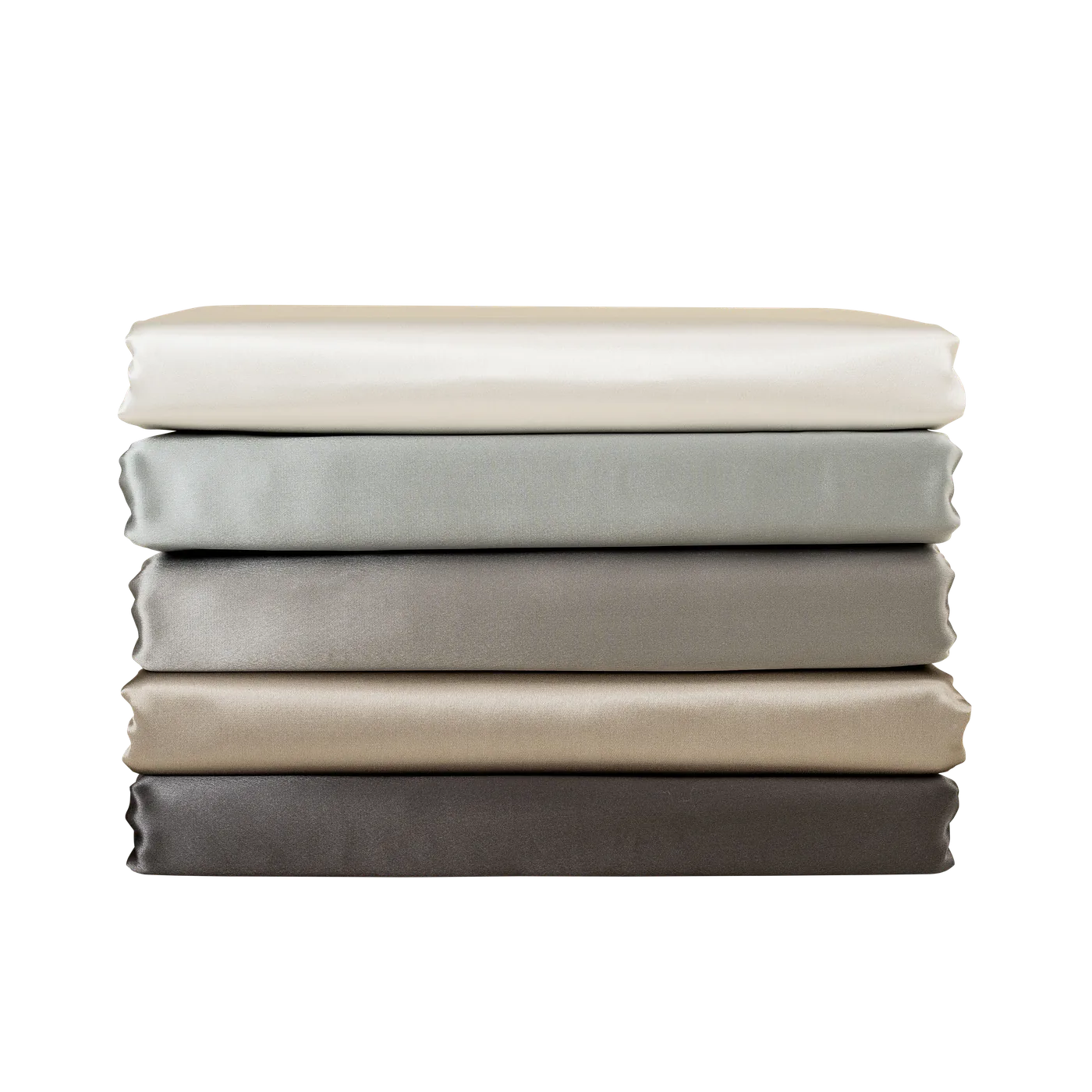
Avoid those seven and your silk will reward you. Our silk sheet set, silk pillow shams, and silk duvet cover are made from 22-momme mulberry silk — a heavier, more durable weight that holds up especially well to regular gentle washing. You can see the full collection on our products page, and if you’re pairing silk with our easy-care bamboo bedding, our bundles page shows how the two layer together. Every Delite order ships direct with a 30-night trial, so you have time to settle into a care routine that works for you.
Key takeaways
- Cold water only — under 30°C, by hand or on a delicate machine cycle in a mesh bag, with a low or no spin.
- Use a pH-neutral or silk-specific detergent. Avoid bleach, enzyme detergents, optical brighteners, and fabric softener.
- Never tumble dry on heat. Press water out in a towel (never wring), then air-dry flat away from direct sunlight.
- Iron sparingly on the lowest/silk setting, on the reverse, while slightly damp, with a pressing cloth.
- Wash pillowcases about weekly, sheets every one to two weeks. Gentle frequent washing is fine; harsh washing is what ruins silk.
- Stiffness, spots, and shrinkage trace back to heat, harsh detergent, wringing, or sun — fix the routine and quality silk lasts for years.